The Short Answer
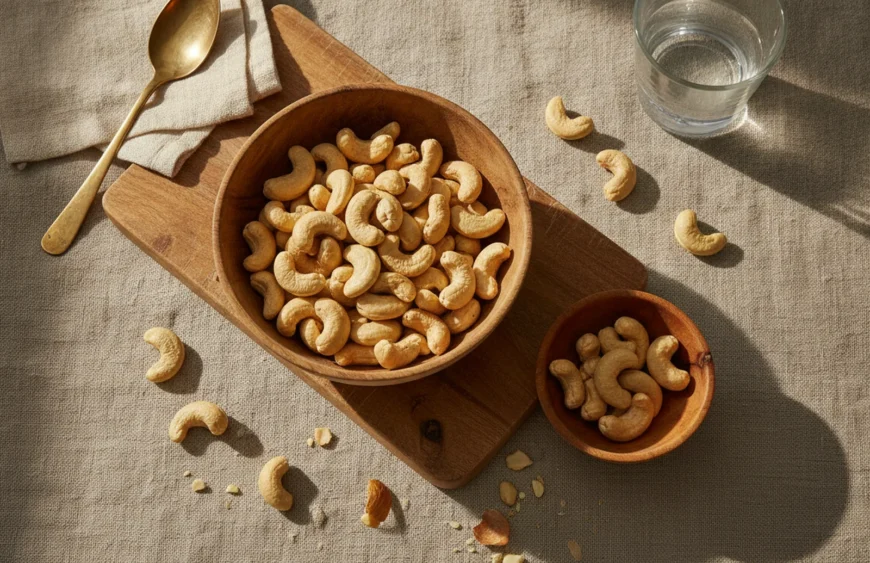
Cashews pack an unusual nutrient combination: magnesium (83 mg per 30 g) for bones and muscle, monounsaturated oleic acid for heart health, zinc for immunity, and tryptophan for mood and sleep. At 15 to 18 cashews per day, research shows consistent improvements in LDL cholesterol, blood pressure, and blood sugar in healthy adults.
India’s ICMR-NIN 2024 dietary guidelines recommend 25 to 30 g of mixed nuts daily as part of a balanced plate. Cashews meet this recommendation while providing meaningful copper and selenium – minerals often missing in typical Indian diets where dairy and meat intake vary widely.
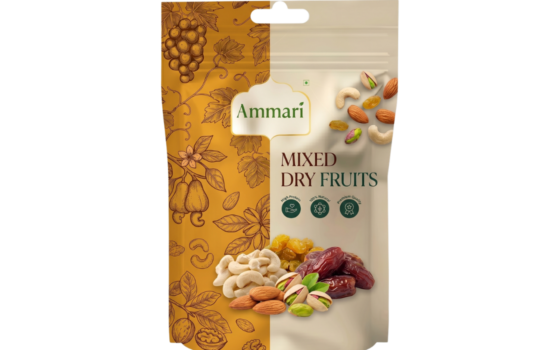
W240 grade cashews (Ammari’s premium whole-kernel grade) have a cleaner fat profile and lower moisture than the common W320 retail grade sold in most Indian supermarkets, making them a better daily choice. At this serving size you get 157 calories, 5.1 g protein, 12.4 g healthy fat, and 83 mg magnesium – a meaningful nutritional return for a small daily habit.
10 cashew health benefits
1. Supports heart health
Cashews are approximately 82% unsaturated fat – primarily oleic acid, the same fat found in olive oil. Clinical trials show that replacing refined-carb snacks with 28 to 42 g of cashews daily leads to modest LDL cholesterol reductions over 4 to 12 weeks. A 2018 study in the journal Nutrients found significant cardiometabolic improvements in adults eating cashews daily for 12 weeks.
2. Strengthens bones
At 83 mg magnesium per 30 g serving, cashews are one of the richest nut sources of this mineral. Around 60% of the body’s magnesium is stored in bones. Most Indian urban adults are mildly magnesium-deficient due to processed food diets. Regular cashew intake addresses this gap directly.
3. Boosts immunity via zinc and copper
One serving provides 1.6 mg zinc and 0.6 mg copper. Zinc activates immune T-cells and natural killer cells. Copper produces superoxide dismutase – one of the body’s most important antioxidant enzymes. Together they make cashews one of the better plant-based immunity foods.
4. Regulates blood sugar
Despite more carbohydrates than almonds, cashews have a low glycemic index of 22. Fat and protein slow glucose absorption. A Journal of Nutrition study found cashews improved insulin sensitivity markers in adults with Type-2 diabetes over 12 weeks. For blood sugar management, 10 to 12 unsalted cashews as a mid-morning snack beats biscuits or namkeen.
5. Supports brain function and mood
Cashews contain tryptophan, which the body converts to serotonin – the mood and sleep regulator. Vitamin B6 (0.1 mg per serving) drives this conversion. Regular nut consumption is consistently linked to lower rates of depression in large studies. Magnesium deficiency also links to anxiety and poor sleep – cashews help here too.
6. Aids weight management
Despite being calorie-dense, cashews support weight control. The fat-protein combination creates strong satiety, cutting overall intake through the day. People who eat nuts regularly tend to have lower BMI than non-nut eaters. At 15 to 18 cashews per serving, the 157-calorie investment reduces snacking on worse foods. See our cashew vs almond guide for a side-by-side.
7. Improves skin health
Copper in cashews is a cofactor for melanin and collagen production. Collagen maintains skin elasticity; melanin gives skin and hair their colour. Zinc reduces acne-related inflammation and supports wound healing. The mineral profile supports healthy skin from within.
8. Supports eye health
Cashews contain lutein and zeaxanthin – antioxidants that accumulate in the retina and filter harmful blue light. Regular intake is linked to reduced risk of macular degeneration and cataracts. As part of a daily nut habit, cashews contribute to total carotenoid intake.
9. Reduces inflammation
Magnesium, oleic acid, and cashew polyphenols all have anti-inflammatory effects. Chronic inflammation drives heart disease, diabetes, and many cancers. A 2020 meta-analysis found regular nut consumption significantly reduced CRP (C-reactive protein), a key inflammation marker.
10. Provides plant-based iron
Cashews contain 1.9 mg iron per 30 g. While plant-based non-haem iron is less bioavailable than meat iron, eating cashews with vitamin-C foods (lemon water, amla, tomatoes) improves absorption. For vegetarian Indians, cashews are a useful iron source alongside lentils, spinach, and sesame.
Cashew nutrition at a glance
| Nutrient | Per 30 g (15-18 cashews) | % Daily Value | |—|—|—| | Calories | 157 kcal | 8% | | Protein | 5.1 g | 10% | | Total fat | 12.4 g | 16% | | Carbohydrates | 8.6 g | 3% | | Magnesium | 83 mg | 20% | | Zinc | 1.6 mg | 15% | | Copper | 0.6 mg | 67% | | Iron | 1.9 mg | 11% |
Source: USDA FoodData Central.
Who benefits most
- Vegetarians – fills common plant-diet gaps: zinc, copper, iron, magnesium
- Adults with mild hypertension – magnesium and oleic acid support blood pressure
- People managing blood sugar – low GI snack replacing high-GI alternatives
- Older adults – magnesium and phosphorus for bone density; soft texture is easy to chew
- Active adults – magnesium for muscle recovery; protein after workouts
Side effects to watch
- Tree-nut allergy – cashews share allergens with pistachios; avoid if diagnosed
- Kidney stones – moderately high oxalates; limit to 10 to 12 and stay hydrated
- Sodium – salted cashews add 120 to 200 mg sodium; use unsalted for health benefits
- Calorie overload – easy to overeat from an open bag; portion out before eating
Sourcing transparency
- Ingredient: Cashew kernels (W240 grade)
- Origin: Goa, Kerala, Karnataka; select Vietnam and Tanzania sourcing by season
- Packaging: Nitrogen-flushed sealed pouch; no added oil, salt, or preservatives
- Shelf life: 12 months sealed; refrigerate after opening
Frequently Asked Questions
What are the main health benefits of cashews?
Heart health (oleic acid reduces LDL cholesterol), bone strength (magnesium), immunity (zinc and copper), blood sugar control (low GI of 22), and mood support (tryptophan). At 15 to 18 cashews daily, these benefits are supported by multiple clinical trials and ICMR-NIN guidelines.
Are cashews healthier than almonds?
They are different rather than one being better. Almonds have more fibre, vitamin E, and calcium. Cashews have more magnesium, zinc, copper, and iron. Eating both on alternating days covers a broader nutritional range. See our cashew vs almond comparison.
Can I eat cashews every day?
Yes – 15 to 18 unsalted cashews daily is within safe limits and aligns with ICMR-NIN guidelines. Daily consumption over weeks shows measurable improvements in cholesterol and blood pressure. See our how many cashews per day guide for portion details.
Do cashews raise blood sugar?
No. Cashews have a glycemic index of 22 – low. Fat and protein slow glucose absorption. Eating 10 to 12 cashews with a meal flattens post-meal blood sugar spikes. They are a good snack choice for people managing Type-2 diabetes.
Are cashews good for the heart?
Yes. The 82% unsaturated fat content – mainly oleic acid – reduces LDL cholesterol when cashews replace refined-carb snacks. Magnesium supports healthy blood pressure. Use unsalted varieties for maximum heart benefit.
Which grade of cashews is best for daily eating?
W240 is the sweet spot – large whole kernels, clean fat profile, and better shelf life than smaller W320 grade. W320 is cheaper but has more broken kernels and faster moisture pickup. For daily health use, W240 unsalted is the right choice.