The Short Answer
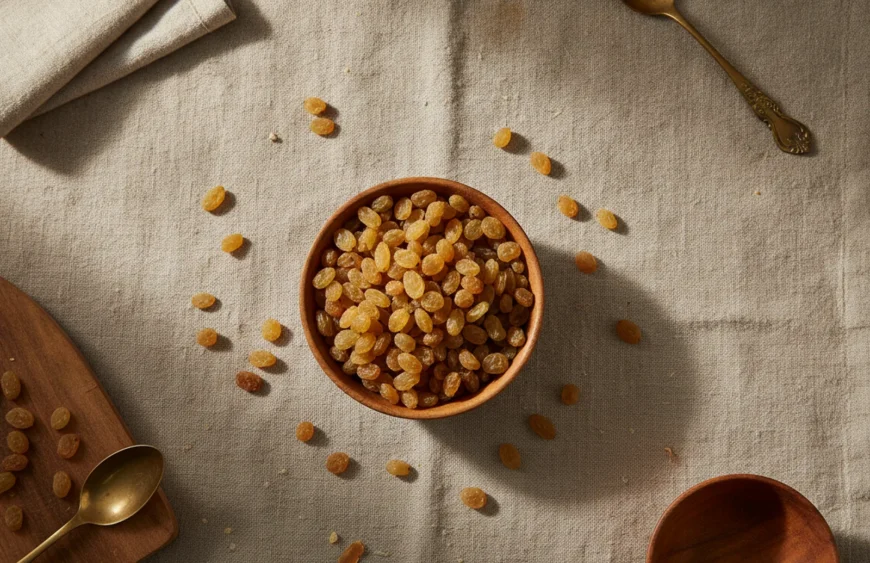
Kishmish (also written kismis or kishmis) are dried green or golden grapes – the everyday raisin used in Indian kitchens for sweets, rice dishes, and morning routines. Per 30 g serving (about 50 to 60 raisins):
- 91 calories
- 1.4 mg iron – one of the better plant-based sources for vegetarians
- 309 mg potassium – supports blood pressure and heart health
- 1.9 g dietary fibre – supports digestion and regular bowel movement
- Natural sugars (glucose and fructose) for quick, clean energy
- Antioxidants including resveratrol and flavonoids from the dried grape skin
The ICMR-NIN 2024 dietary guidelines include dried fruits as part of a balanced daily diet. 8 to 10 kishmish per day – soaked overnight in water and eaten first thing in the morning – is the most common Indian household practice and the one with the strongest nutritional backing for iron absorption and digestive health. Soaking reduces tannins that block iron uptake and makes the natural sugars release more slowly into the bloodstream.
What is kishmish?
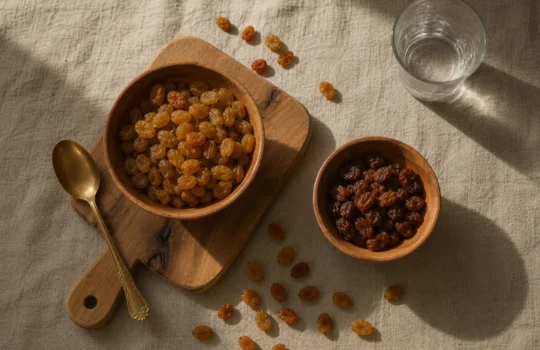
Kishmish is the Hindi and Urdu name for raisins. Specifically, it refers to the small, seedless green or golden variety. In Indian markets, kishmish is the everyday raisin. Munakka is the larger, darker, seeded variety used for medicinal purposes.
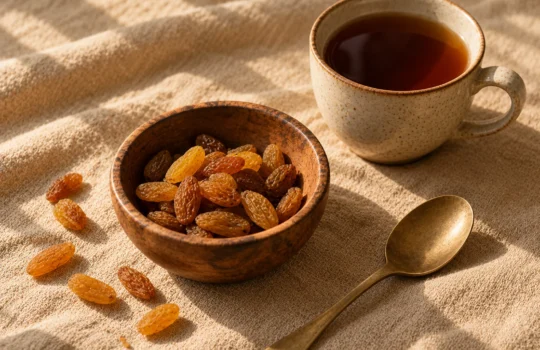
Kishmish appears across Indian cooking – in pulao, biryani, halwa, and kheer. It is also eaten as a morning snack. Many Indian households soak 8 to 10 kishmish overnight and eat them first thing in the morning on an empty stomach.
8 kishmish benefits
1. Good source of plant-based iron
Iron deficiency anaemia affects around 50% of Indian women and a large share of children. Kishmish provides 1.4 mg iron per 30 g serving – a meaningful contribution for vegetarian diets. Non-haem iron from plants absorbs better when paired with vitamin C. Eating soaked kishmish with a small glass of lemon water or amla juice improves absorption significantly.
For women of reproductive age and growing children, adding 8 to 10 kishmish to the morning routine is one of the simplest dietary changes to support iron levels.
2. Supports digestion and bowel regularity
Kishmish contains 1.9 g dietary fibre per 30 g – both soluble and insoluble types. Soluble fibre feeds beneficial gut bacteria; insoluble fibre adds bulk and promotes regular bowel movement. Soaking kishmish overnight swells this fibre, making it work faster and more gently.
For children with mild constipation, 6 to 8 soaked kishmish in the morning is one of the safest and most effective dietary interventions. For adults, the same habit supports long-term gut health.
3. Provides quick natural energy
Kishmish contains roughly 22 g of natural sugars per 30 g – glucose and fructose in a roughly equal split. Glucose is immediately available for energy; fructose is processed more slowly by the liver for sustained release. This makes kishmish a reliable pre-activity energy source – before school for children or before a workout for adults.
Unlike packaged energy snacks, kishmish energy comes without artificial additives, preservatives, or refined sugar spikes.
4. Supports blood pressure through potassium
Each 30 g serving provides 309 mg potassium – more than a small banana per gram of food. Potassium counteracts the blood-pressure-raising effect of sodium. The DASH diet (Dietary Approaches to Stop Hypertension) specifically recommends regular fruit and plant intake for this reason. For Indian adults eating high-sodium diets (pickles, packaged food, restaurant meals), kishmish is a useful daily potassium source.
5. Strengthens bones
Kishmish contains calcium (22 mg per 30 g) and boron – a trace mineral that helps the body retain calcium and support bone density. While dairy remains the main Indian calcium source, kishmish contributes meaningfully for people who avoid dairy or need extra support.
Boron is not found in large amounts in most foods – kishmish is one of the better sources, which is part of why traditional Ayurvedic texts recommend it for joint and bone health.
6. Antioxidant and skin support
Kishmish contains resveratrol (found in grape skin) and flavonoids – antioxidants that reduce oxidative stress and support cardiovascular health. Dark and black raisins have higher anthocyanin content, but green kishmish still provides meaningful antioxidant activity.
Regular antioxidant intake supports skin health by reducing inflammation and oxidative damage. Kishmish is not a skincare product, but consistent daily intake over months is associated with improved skin texture in observational studies.
7. Natural sweetener for controlled sugar intake
Kishmish is 22 g sugar per 30 g – dense in natural sugar. But in small portions (8 to 10 kishmish = roughly 15 g of kishmish), the total sugar load is manageable. Using kishmish to sweeten oatmeal, yogurt, or kheer in place of refined sugar reduces the glycemic impact of those dishes while adding iron and potassium that refined sugar lacks.
8. Supports the liver (Ayurvedic tradition)
Ayurvedic texts cite soaked kishmish as a morning liver tonic – eaten on an empty stomach to support the liver’s overnight cleansing cycle. Modern science has not confirmed a “liver cleanse” mechanism, but the natural sugars in soaked kishmish do replenish liver glycogen after overnight fasting, which is a real metabolic benefit for morning energy and cognitive clarity.
Kishmish vs munakka: key differences
| Feature | Kishmish | Munakka | |—|—|—| | Colour | Green, golden | Dark brown, black | | Size | Small (1 to 1.5 cm) | Large (2 to 3 cm) | | Seeds | Seedless | Has seeds | | Taste | Sweet, mild | Rich, slightly tangy | | Iron content | 1.4 mg per 30 g | Slightly higher | | Best use | Daily snack, cooking, children | Medicinal – anaemia, dry cough, winter | | Soaking portion | 8 to 10 overnight | 4 to 5 overnight | | Availability | Every grocery store | Ayurvedic shops, premium stores |
For everyday use, kishmish is the practical choice. Munakka is the Ayurvedic selection for specific therapeutic use – particularly anaemia, dry cough, and winter immunity support.
Soaked vs dry kishmish: which is better?
| Factor | Soaked kishmish | Dry kishmish | |—|—|—| | Iron absorption | Better (tannins reduced) | Moderate | | Blood sugar response | Slower sugar release | Faster | | Digestibility | Easier, gentler | Can cause bloating | | Texture | Soft, plump | Chewy, dense | | Calories | Same | Same |
Soaking reduces tannins that block iron absorption, and slows the sugar release into the bloodstream. For daily morning use – particularly for iron support or digestive health – soaked is better. For cooking or trail mix, dry is fine. See our full soaked raisins benefits guide for the complete soaking method.
How many kishmish per day?
8 to 10 kishmish per day (roughly 15 to 20 g) is the standard Indian household portion and aligns with ICMR-NIN guidelines for dried fruit intake. This provides:
- Around 55 to 65 calories
- 0.7 to 0.9 mg iron
- 150 to 200 mg potassium
- Meaningful antioxidant and fibre contribution
More than 20 to 25 kishmish daily adds significant natural sugar (over 15 g) and is not recommended for people managing blood sugar.
Sourcing transparency
- Ingredient: Green raisins (kishmish), seedless
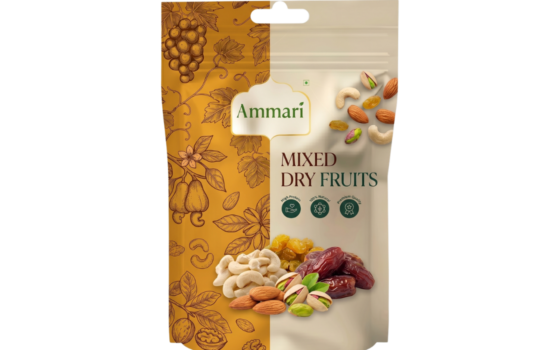
- Packaging: Moisture-sealed resealable pouch; no added sugar or preservatives
- Shelf life: 12 months sealed; store cool and dry after opening
Frequently Asked Questions
What are the benefits of eating kishmish daily?
Daily kishmish consumption supports iron levels, digestion, blood pressure (potassium), bone health (calcium and boron), and provides clean natural energy. 8 to 10 soaked kishmish eaten in the morning on an empty stomach is the most effective daily routine.
Is kishmish good for anaemia?
Yes. Kishmish is one of the better plant-based iron sources at 1.4 mg per 30 g. Eating soaked kishmish with vitamin-C-rich food (lemon water, amla) significantly improves iron absorption. It supports anaemia management as part of a broader iron-rich diet, though it is not a substitute for medical treatment in moderate-to-severe anaemia.
How many kishmish should I eat per day?
8 to 10 kishmish (15 to 20 g) per day is the standard healthy portion. This provides iron, potassium, and fibre without excessive sugar. People managing blood sugar should stay at 6 to 8 soaked kishmish maximum and eat them with a meal rather than on an empty stomach.
What is the difference between kishmish and munakka?
Kishmish are small, seedless green or golden raisins used for everyday snacking and cooking. Munakka are larger, seeded, dark raisins used for Ayurvedic medicinal purposes – particularly anaemia, dry cough, and winter immunity. Both have similar nutrients, but munakka has a slightly higher iron content and stronger medicinal reputation in Ayurveda.
Is it better to eat soaked or dry kishmish?
Soaked is better for iron absorption and blood sugar control. Soaking overnight removes some tannins that block iron uptake, and the rehydrated fruit releases sugar more slowly than dry. For daily morning use, soak 8 to 10 kishmish in 80 ml of water overnight and eat with the soak water. For cooking, dry kishmish works equally well.
Can diabetics eat kishmish?
In small amounts. 6 to 8 soaked kishmish (about 12 to 15 g) with a meal is manageable for most Type-2 diabetics. The soaking slows sugar release. Avoid eating kishmish on an empty stomach if you are managing blood sugar, and monitor your glucose response. More than 10 to 12 kishmish in one sitting adds too much sugar for diabetic management.