TL;DR
- Pistachio price per kg in India changes with origin, kernel size, shell quality and how much sorting the pack needed.
- Akbari pistachios are usually the premium long-shape option, while Kerman tends to be the more common rounder variety.
- Freshness matters as much as origin because pistachios can go stale if they are old or poorly stored.
- If the price looks too low, check shell colour, aroma, split percentage and pack date before buying.
- For most homes, the best pistachio is the one that fits how you snack, cook and store it.
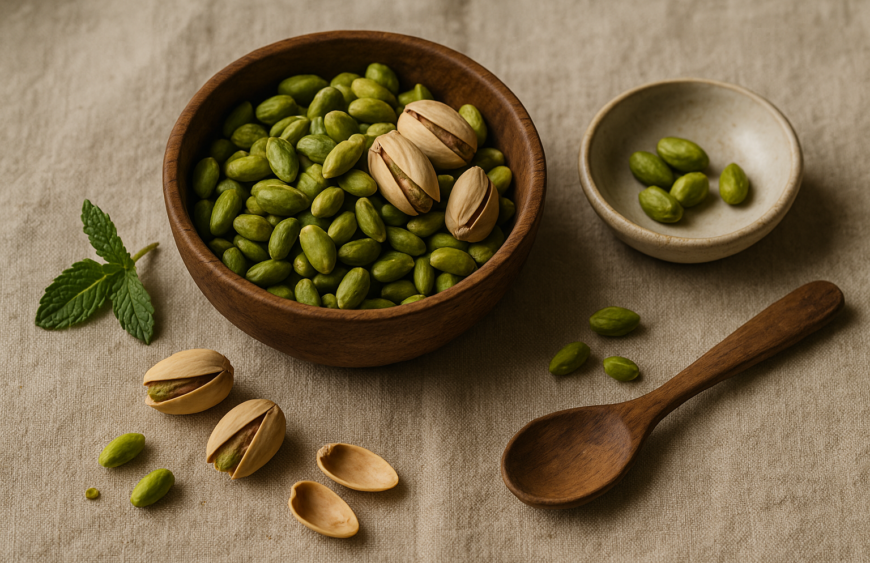
Pistachio price per kg in India depends on origin, grading, shell split, kernel colour and how fresh the lot is. A good pack should feel clean, smell nutty and have a decent percentage of kernels that are naturally open in the shell. If the price looks unusually low, the issue is often age, breakage or lower-grade sorting rather than a true bargain.
If you are comparing pistachio price per kg across shops or online listings, compare the variety name, the split percentage and the pack date before you compare the number alone. That is the simplest way to separate a premium lot from a cheap-looking pack that will disappoint later.
In the Indian market, pistachios are usually sold as a premium snacking nut, so buyers often compare Akbari and Kerman first. That is the right instinct, because the variety changes the look, the flavour and the feel in the hand. The better question is not just what the kilogram costs, but whether the variety matches how you want to eat it.
Current pistachio price bands in India
These are practical market ranges, not fixed prices. They move with crop year, import cost and grading.
| Pistachio type | Typical price band | What you are paying for | Best use |
|---|---|---|---|
| Akbari pistachios | ₹1,400–₹2,200/kg | Long shape, premium presentation, richer feel | Gift trays, premium snacking |
| Kerman pistachios | ₹1,100–₹1,800/kg | Rounder shell, common premium trade grade | Daily snacking, cooking |
| Broken or mixed pieces | ₹900–₹1,300/kg | Lower sorting cost, more breakage | Baking, chopping, recipe use |
For a live Ammari product reference, see Roasted & Salted Pistachios. For a direct variety comparison, read Akbari Vs Kerman Pistachios.
Why pistachio prices vary so much
The biggest price drivers are origin and grading. Akbari is generally the long premium-looking variety, while Kerman is a more common trade variety that often arrives in more consistent commercial grades. Bigger kernels, cleaner shells and better split ratios all push the price up. You also pay more for lots that were packed quickly after harvest and stored properly.
Another hidden factor is breakage. A pack full of neat halves and intact shells always commands a higher price per kg than a bag with lots of crumbs and dull kernels. If you are buying for gifting, that presentation difference matters. If you are buying for chopping into desserts or mixing into trail blends, broken pieces can be good value.
Freshness is the final check. Pistachios should smell clean and slightly sweet. They should not smell oily, bitter or stale. Even a premium origin loses value if the lot has been sitting open too long in warm storage.
Akbari vs Kerman
- Akbari: long, elegant shell shape, visually premium and often preferred for gifting.
- Kerman: rounder, reliable and usually the more practical everyday choice.
- Value: Akbari is the premium statement pick; Kerman is usually the better all-rounder.
If you want more context on day-to-day consumption, see How Many Pistachios Per Day and Salted Vs Unsalted Pistachios.
How to judge value before you buy
- Shell colour: fresh shells should look clean and pale, not dusty or stained.
- Aroma: a good bag smells nutty, not sharp or oily.
- Split percentage: naturally open shells are worth more and usually taste better.
- Kernel colour: look for green and violet tones, not dull brown.
- Pack date: fresher sealed stock is usually the safer buy in India.
Storage after purchase
Pistachios keep best in a sealed glass or steel container away from heat and direct sunlight. In Indian summer, refrigeration after opening is smart because heat can flatten flavour and reduce shelf life. If you buy in bulk, freeze the unused portion and keep only the weekly amount in the kitchen.
Good storage can make a slightly more expensive pack the better value over time because you are actually able to finish it before the kernels go stale.
What Ammari recommends
For daily snacking, Kerman is usually the practical value pick. For gifting and a more premium look, Akbari is the better statement variety. If the lot is fresh and sealed, either can be a good buy depending on how you plan to use it. For current shopping, the closest live Ammari reference is Roasted & Salted Pistachios.
Frequently Asked Questions
What is the usual pistachio price per kg in India?
In practical market terms, Kerman often sits around ₹1,100 to ₹1,800 per kg while Akbari can run higher. The exact number depends on origin, shell quality, crop year and the amount of breakage in the pack.
Why is Akbari usually more expensive?
Akbari has a long, premium-looking shape that sells well for gifting and presentation. Buyers are willing to pay more for the appearance and the premium positioning, especially when the kernels are clean and fresh.
Are cheaper pistachios always poor quality?
Not always. Lower prices can simply mean mixed pieces, older stock or a more basic grade. The real question is freshness, smell and shell quality. If the pack still smells nutty and looks clean, it can still be a good buy.
Can I use this guide with other pistachio posts?
Yes. This post works best alongside How Many Pistachios Per Day, Pistachios Health Benefits and Akbari Vs Kerman Pistachios.
Free delivery on orders over ₹999 where natural.
Frequently Asked Questions
What is the usual pistachio price per kg in India?
In practical market terms, Kerman often sits around ₹1,100 to ₹1,800 per kg while Akbari can run higher. The exact number depends on origin, shell quality, crop year and the amount of breakage in the pack.
Why is Akbari usually more expensive?
Akbari has a long, premium-looking shape that sells well for gifting and presentation. Buyers are willing to pay more for the appearance and the premium positioning, especially when the kernels are clean and fresh.
Are cheaper pistachios always poor quality?
Not always. Lower prices can simply mean mixed pieces, older stock or a more basic grade. The real question is freshness, smell and shell quality. If the pack still smells nutty and looks clean, it can still be a good buy.
Can I use this guide with other pistachio posts?
Yes. This post works best alongside How Many Pistachios Per Day, Pistachios Health Benefits and Akbari Vs Kerman Pistachios.