Best Dry Fruits For Pregnancy: At a glance
Last updated: 19 May 2026
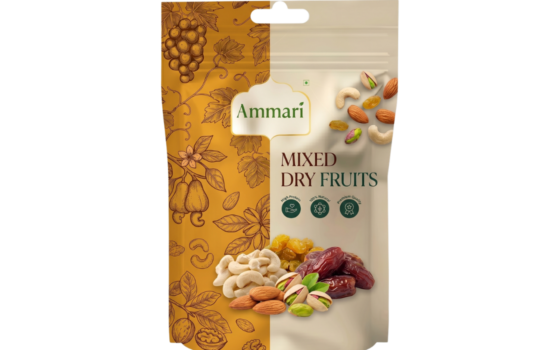
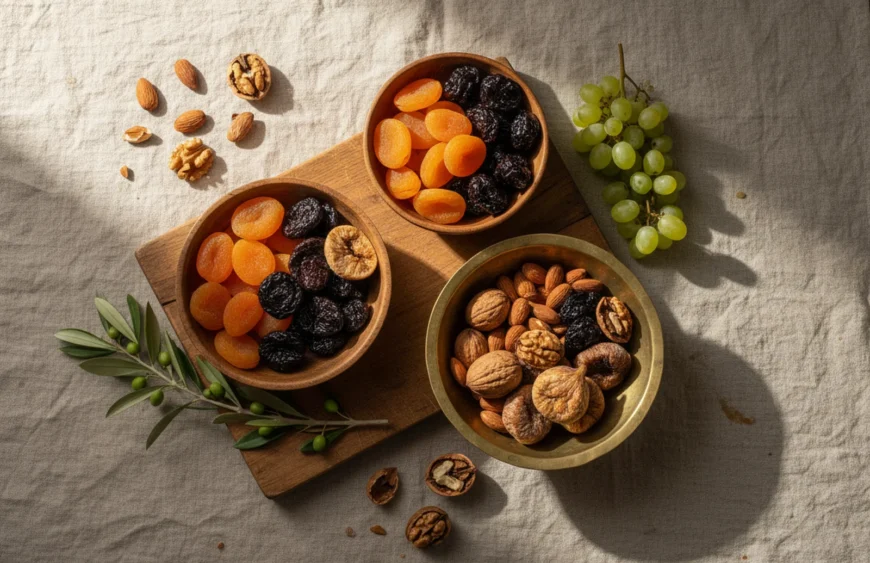
For most healthy Indian pregnancies, 2 to 6 dates, 4 to 6 soaked almonds and 5 to 7 walnut halves daily form the core dry-fruit plate, scaled by trimester and confirmed with your obstetrician first. The Mansoura University trial (Al-Kuran et al., 2011) tested 6 dates daily in the final 4 weeks of pregnancy and reported shorter active labour in the date group. ICMR-NIN dietary guidelines for India support roughly 25 to 30 g of mixed nuts daily as part of a balanced pregnancy plate. Across the day, this trio plus pistachios, cashews, anjeer, khubani, kishmish, Brazil nuts and pumpkin seeds covers folate for neural-tube development, iron for rising blood volume, magnesium for cramps and plant omega-3 for fetal brain growth. Vegetarian mothers should still discuss DHA, since walnuts alone are not enough. We stock origin-labelled packs at Ammari Foods.
Are dry fruits safe during pregnancy?
Best dry fruits for pregnancy – here is what actually matters when you choose. For most pregnant women in India, dry fruits are safe and actively recommended. The firm exceptions are diagnosed tree-nut or seed allergies. Women with a personal or family history of nut allergy should flag this to their obstetrician early. Anyone managing gestational diabetes (GDM) should stay at the lower end of dried-fruit portions, since concentrated sugars in dates, raisins and anjeer raise post-meal glucose more than fresh fruit.
A practical Indian rule of thumb is roughly 25 to 30 g of mixed nuts plus 2 to 4 pieces of dried fruit daily. This article is general guidance for healthy Indian pregnancies, not personalised medical advice. Please discuss your daily plate with your treating obstetrician or gynaecologist before changing what you eat, particularly if you are managing any pregnancy complication.
How needs change across trimesters
Pregnancy nutrient demand is not flat. The plate that suits week 8 is not the plate that suits week 36.
- First trimester (weeks 1 to 13): folate and nausea management lead. Two to three soaked almonds, 2 dates and a few raisins per day cover the morning. Folate from nuts supplements (but does not replace) the prescribed 400 to 600 microgram folic acid tablet.
- Second trimester (weeks 14 to 27): iron and magnesium demand climbs as blood volume expands by around 40 percent. Anjeer, dates, apricots and pumpkin seeds add background iron. Pair with vitamin-C foods to lift absorption.
- Third trimester (weeks 28 to 40): dates climb to 4 to 6 daily in the last 4 weeks under medical guidance, per the Mansoura trial protocol. Walnuts and almonds support the lipid pool building the baby’s brain.
- Postpartum (first 12 weeks): dry fruits move into panjeeri, gond ke laddoo and bedtime milk for steady night-feed energy.
The 10 best dry fruits during pregnancy, ranked
The ranking below reflects evidence strength, Indian household tradition and how often each food appears in obstetrician-approved pregnancy plates. The top three carry the most clinical literature.
1. Dates (khajoor): Medjool and Ajwa
Dates lead the list for a reason. The Mansoura University trial reported shorter active labour in women who ate 6 dates daily in the final 4 weeks of pregnancy. Iranian studies pointed in the same direction. Dates supply iron, folate, magnesium and natural sugars that lift first-trimester energy. Medjool from the Jordan Valley is softest and gentlest on nausea; Ajwa from Madinah carries religious significance for Muslim mothers and a marginally higher iron content. See our dates during pregnancy post, the how many dates per day breakdown, and the premium Medjool dates pack.
2. Almonds (badam): California or Mamra
Almonds are the workhorse of the Indian pregnancy plate. A 30 g serving supplies roughly 15 mg magnesium, 14 micrograms folate and 7.7 mg vitamin E. The Indian consensus is 4 to 6 soaked, peeled almonds daily, scaled across trimesters. Soaking softens the nut and improves iron and zinc absorption. California is the everyday default; small-batch Mamra is the premium pregnancy and postpartum reserve in many households. See our almonds for pregnancy guide and how many almonds per day. Household pack: premium California almonds.
3. Walnuts (akhrot): Kashmiri
Walnuts are the only common dry fruit with meaningful plant omega-3, as alpha-linolenic acid (ALA). The Indian pregnancy standard is 5 to 7 walnut halves daily, gentlest when soaked overnight. ALA partially converts to DHA, the omega-3 fat that builds fetal brain and retina. Vegetarian and vegan mothers should still discuss DHA with their obstetrician, since conversion is modest and walnuts alone do not meet pregnancy DHA targets. A separate algal-DHA supplement is the common addition. Kashmiri walnuts have thinner shells and lighter kernels than commercial stock. See our walnuts for pregnancy post and Kashmiri walnuts pack.
4. Pistachios
Pistachios contribute protein, fibre, vitamin B6 and a useful 6 mg iron per 100 g. The lower glycemic load compared with dates and raisins makes them a friendlier daily nut for women managing gestational diabetes. Roughly 15 to 20 shelled pistachios (around 25 g) a day is the comfortable Indian range.
5. Cashews (kaju)
Cashews bring magnesium, zinc and copper to the plate. Roughly 6 to 8 cashews daily complement almonds and walnuts; the softer texture is easier through nausea-heavy first-trimester weeks. Choose unsalted, plain-roasted or raw packs over masala or fried variants.
6. Dried figs (anjeer)
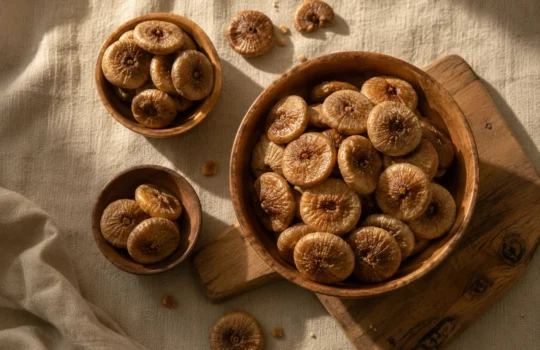
Anjeer is the traditional Indian iron-and-fibre dried fruit for pregnancy. Per 100 g, figs supply roughly 2 mg iron, 162 mg calcium and 9.8 g fibre. Two to three soaked figs daily in trimesters two and three help with iron-supplement constipation. Soak overnight in milk or water for easier digestion.
7. Apricots (khubani)
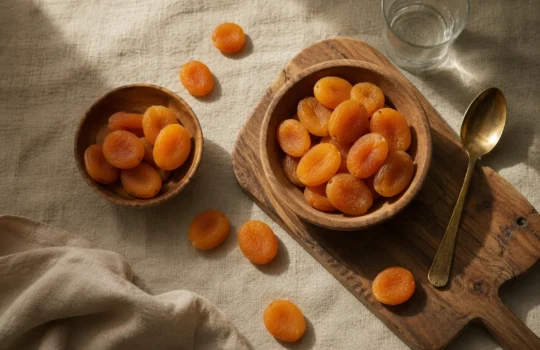
Dried apricots bring potassium, beta-carotene and iron to the pregnancy plate. Roughly 4 to 5 unsulphured apricots daily in trimesters two and three support steady iron stores. Pick darker brown apricots over the bright orange sulphur-treated variety, especially if you have asthma or sulphite sensitivity. When evaluating best dry fruits for pregnancy, the key is verification not branding.
8. Raisins (kishmish): cautious for GDM
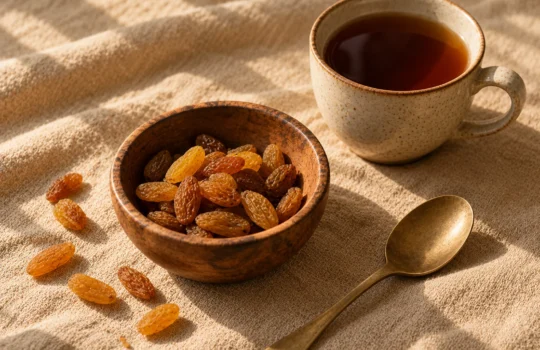
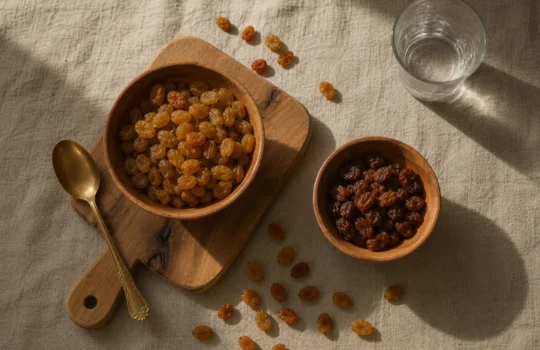
Raisins are concentrated grape sugar with useful iron, potassium and a small dose of resveratrol. A handful (around 15 g, roughly 30 raisins) daily works well for most healthy pregnancies. Women with gestational diabetes should treat raisins as a sometimes food rather than a daily one, since the rapid glucose lift outpaces dates and anjeer when eaten alone. Pair with almonds or yoghurt to slow absorption.
9. Brazil nuts: strictly 1 to 2 per day
Brazil nuts are the densest natural source of selenium, with one nut often supplying more than the full daily adult requirement. Selenium supports thyroid function and antioxidant defence. Stay at 1 to 2 nuts per day, maximum. Higher portions cross into selenium-toxicity territory, which can cause hair loss, nail brittleness and gastrointestinal upset.
10. Pumpkin seeds (kaddu ke beej)
Pumpkin seeds round out the plate with magnesium, zinc and plant iron. A tablespoon (around 10 g) daily, sprinkled over yoghurt or salads, adds trace minerals without the calorie load of larger nuts. A useful inclusion for vegetarian mothers building iron stores in trimesters two and three.
What to limit or avoid
A few categories deserve a clear pass during pregnancy.
- Candied or sugared fruits. Glazed cherries, candied papaya and tutti-frutti packs are concentrated added sugar with little of the original micronutrient profile intact.
- Salted, masala or fried packs. Pregnancy raises sodium sensitivity. Choose unsalted, plain-roasted or raw.
- Sulphite-treated dried fruits. Bright orange apricots and very pale golden raisins often carry sulphur dioxide. Pregnant women with asthma or sulphite sensitivity should pick darker, unsulphured packs.
- Excess Brazil nuts. Stay at 1 to 2 per day. Higher portions risk selenium toxicity.
- Any nut where family allergy is strong. Particularly relevant if a parent or earlier child has a confirmed tree-nut allergy. Discuss introduction timing with your obstetrician.
How to eat them: timing, soaking, pairing
The traditional Indian pattern is built around soaking, pairing and timing, and the science lines up with the practice.
- Morning soak. Soak the day’s almonds, walnuts, anjeer and apricots overnight. Soaking removes tannins and reduces phytic acid that blocks iron and zinc absorption.
- Empty-stomach window. Eat the soaked portion in the morning with a glass of warm milk or water.
- Pair sugars with protein and fat. Dates and raisins paired with paneer, almonds or yoghurt flatten the post-meal glucose spike.
- Avoid late-night heavy portions. A heavy bowl of nuts close to bedtime adds reflux load. Bedtime milk with 2 to 4 soaked dates is the gentler pattern.
Sourcing transparency
- Dates (Medjool): Jordan Valley
- Dates (Ajwa): Madinah region, Saudi Arabia (verified)
- Almonds (California): Central Valley, USA
- Almonds (Mamra): Aleppo Province, Iran
- Walnuts: Indian Kashmir (thin-shell akhrot)
- Pistachios: small-batch supply, origin-labelled
- Packed at: Jaipur facility, Rajasthan
- Storage: airtight container; refrigerate during Indian summer
For the variety framework on dates, see Medjool vs Ajwa dates. For our pregnancy-friendly range, revisit the dates buying guide.
References & further reading
For independent reference points, the NIN-Hyderabad Dietary Guidelines for Indians is the standardised dataset we cross-check composition against. Clinical work like the PubMed – folate intake in pregnancy helps separate marketing claims from evidence.
Frequently Asked Questions
Which dry fruit is most important during pregnancy?
Dates carry the strongest clinical evidence, with the Mansoura trial reporting shorter active labour in women who ate 6 dates daily in the last 4 weeks of pregnancy[1]. Almonds are the closest second for folate, magnesium and vitamin E across all trimesters. Walnuts are third for plant omega-3. Most Indian obstetricians work with the dates-almonds-walnuts core and layer the other seven around it. Confirm your daily plate with your obstetrician, particularly if you have gestational diabetes.
Can vegetarian mothers rely on walnuts for omega-3?
Not entirely. Walnuts supply alpha-linolenic acid (ALA), which the body partially converts to DHA, the omega-3 fat that builds fetal brain and retina. Conversion is typically under 10 percent, so walnuts alone do not meet pregnancy DHA targets for vegetarian or vegan mothers. The common addition is a separate algal-DHA supplement. Eat 5 to 7 walnut halves daily for the broader nutrient profile, and treat the DHA gap as a separate conversation with your doctor.
How much dried fruit per day is safe during pregnancy?
A practical Indian range is roughly 25 to 30 g of mixed nuts plus 2 to 4 pieces of softer dried fruit daily. ICMR-NIN dietary guidelines support this nut quantity as part of a balanced pregnancy plate[2]. Scale to the lower end through first-trimester nausea, widen variety in the second trimester for iron and magnesium, and lean into dates in the last 4 weeks under medical guidance. Always confirm portions with your treating obstetrician.
Are dry fruits safe for women with gestational diabetes?
Yes, in smaller portions and paired with protein. Dates and raisins raise post-meal glucose faster than nuts. Most obstetricians comfortable allowing 2 to 3 dates daily for GDM patients ask for glucose monitoring 30 to 60 minutes after the meal. Almonds, pistachios, walnuts and pumpkin seeds are friendlier daily choices. Pair every sweeter dried fruit with paneer, almonds or yoghurt, and confirm exact limits with your treating doctor.