TL;DR
- Gifts for parents and in-laws are judged differently than gifts for friends or colleagues; quality, familiarity and presentation matter more than novelty or trend.
- Traditional favorites like ajwa dates and premium cashews tend to land better with an older generation than newer, less familiar dry fruit combinations.
- Health-conscious options, sugar-free or low-processed dry fruits, are worth choosing over sweets if either parent manages diabetes or watches sugar intake.
- Presentation that signals effort, a well-packed box rather than a loose pouch, matters more here than in most other gifting contexts.
- Simple etiquette, offering with both hands and timing the gift around a Dhanteras or Diwali visit, is worth knowing without overcomplicating the gesture.
A Diwali gift for parents or in-laws is judged on different terms than a gift for a friend or colleague; quality and familiarity carry more weight than novelty, and the way a gift is presented often matters as much as what’s inside it. Getting this right doesn’t require an elaborate or expensive gift, but it does require choosing dry fruits and presentation that read as considered rather than convenient.
Ammari’s general Diwali dry fruit gift ideas guide covers a wider range of recipients. This piece focuses specifically on what tends to work best for parents and in-laws.
Quality over novelty
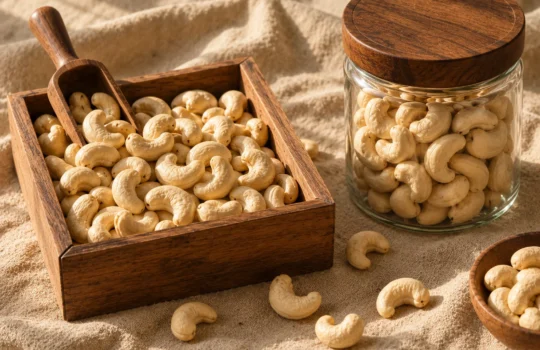
An older generation is generally less swayed by an unusual or trendy combination and more attentive to whether the dry fruit itself is good quality, well-sized, fresh, properly packed. A smaller quantity of a genuinely premium dry fruit reads better than a larger quantity of something average. Ajwa dates and premium whole cashews are traditional choices that consistently land well across most Indian households, since both carry cultural familiarity that a newer dry fruit combination doesn’t.
Traditional favorites that work
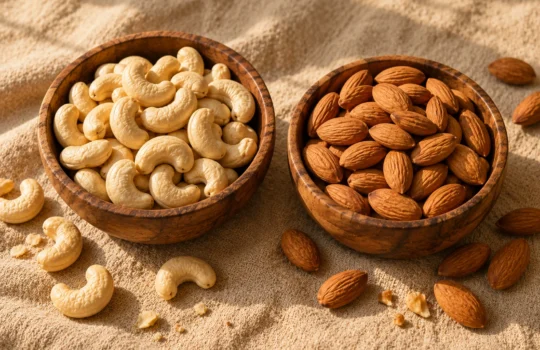
Ajwa dates, associated with religious and festive significance in many households, are a respectful and traditional gift, especially for in-laws where a slightly more formal gesture is appropriate. Medjool dates work as a plumper, more indulgent alternative if ajwa isn’t the right fit for a particular family. Cashews and Kashmiri walnuts (Akhrot) round out a traditional combination that rarely feels out of place, regardless of regional or family preference.
Health-conscious options
If either parent manages diabetes, blood pressure or general sugar intake, dry fruits are already a better gift than boxed mithai, since they carry no added sugar and offer more nutritional value per serving. Choosing unroasted or lightly roasted, unsalted options, plain almonds or walnuts rather than heavily salted or sugar-coated versions, is a small adjustment that signals attention to their specific health needs rather than a generic gift. Ammari’s dry fruits versus fresh fruits nutrition guide is useful background if health is a genuine consideration for this gift.
Presentation that signals effort
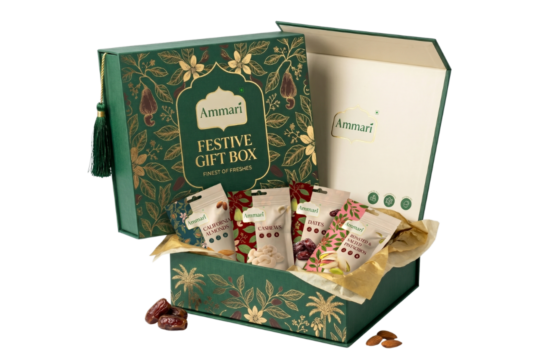
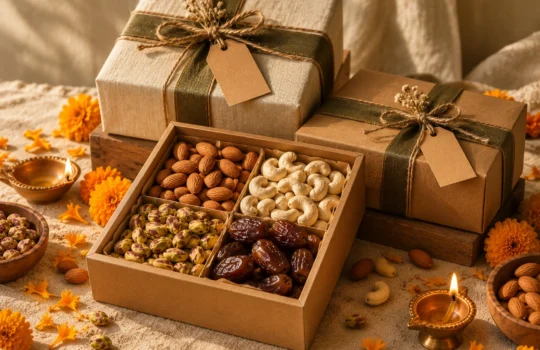
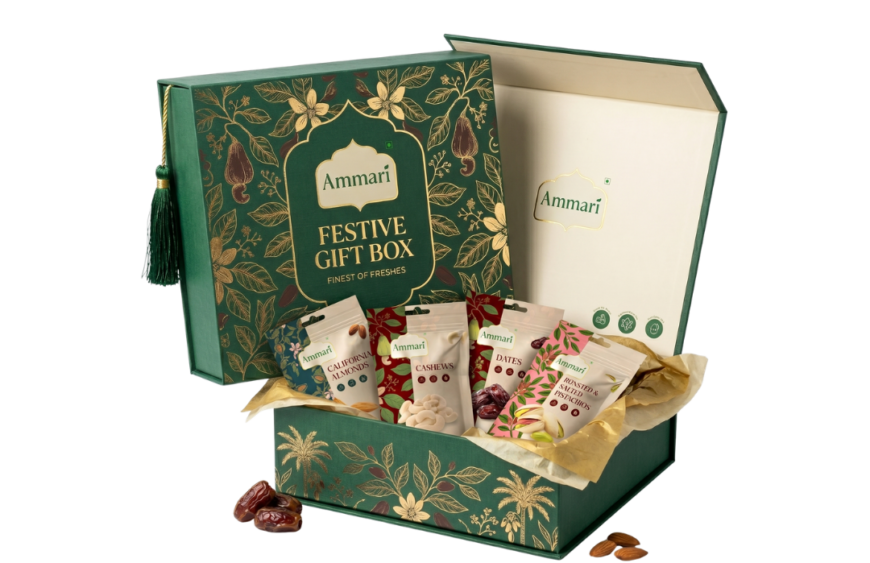
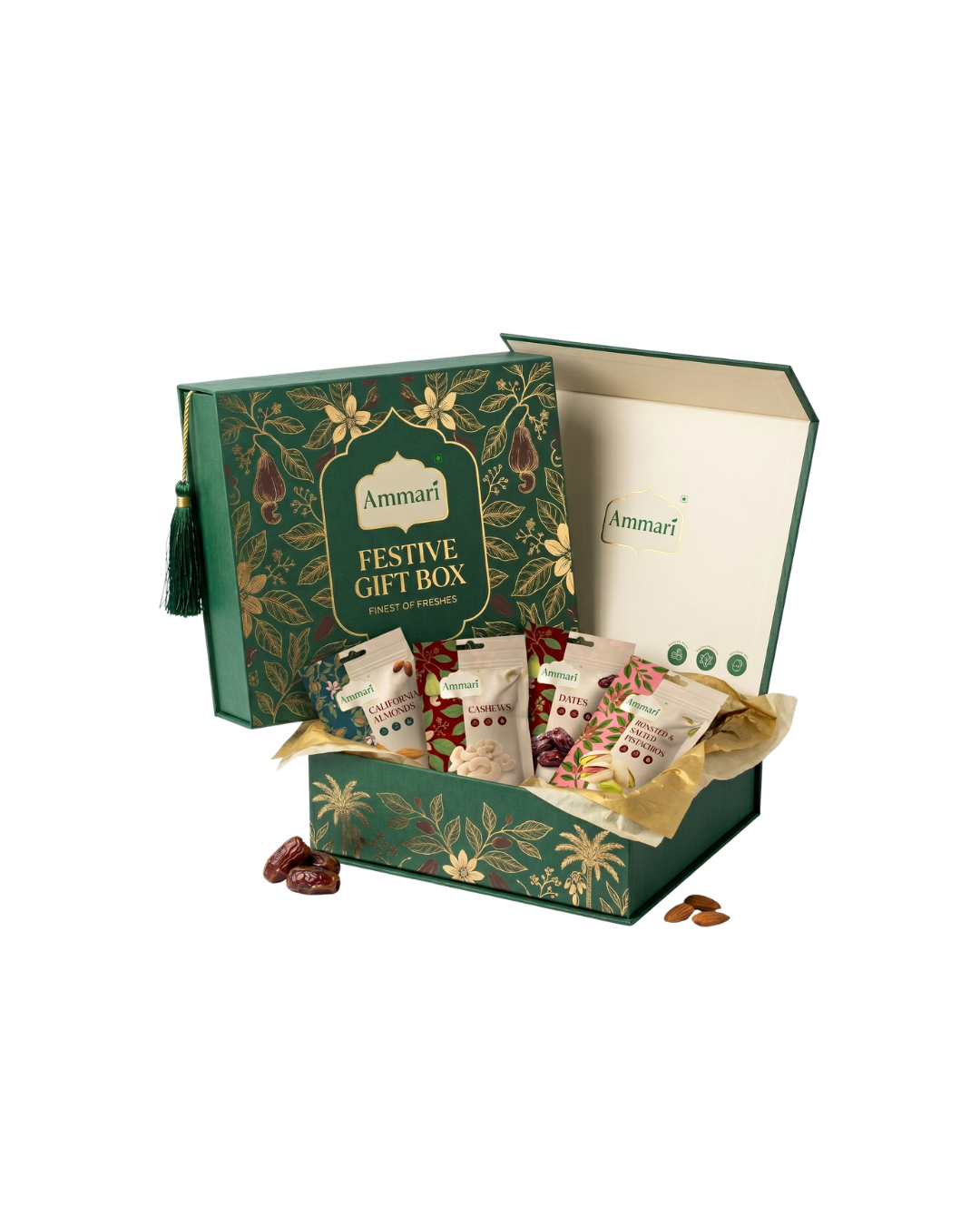
For parents and in-laws, presentation carries more weight than it might for a colleague or acquaintance. A well-packed box, rather than a dry fruit pouch handed over as-is, communicates that thought went into the gift beyond simply buying something on the way to a visit. Ammari’s festive gift box or a self-assembled combination of ajwa dates and cashews in a clean, fitted box both work well here. Ammari’s how to pack dry fruit gifts aesthetically guide covers technique if you’re assembling the box yourself.
A short note on etiquette
A few simple, widely practiced conventions are worth knowing without overcomplicating the gesture. Offering and receiving a gift with both hands is a common mark of respect in many Indian households, particularly toward elders. Timing the gift around a Dhanteras or Diwali visit, rather than mailing it separately, is often preferred when parents or in-laws live nearby, since the visit itself is part of the gesture. Neither of these is a strict rule everywhere, and family or regional practice varies, so it’s worth following what’s familiar within your own family rather than assuming a single standard applies everywhere.
When parents and in-laws want different things
It’s worth acknowledging that parents and in-laws sometimes have genuinely different preferences, and a single gift doesn’t always fit both equally well. If your own parents are used to a more casual gifting style and your in-laws expect something more formal, it’s reasonable to vary the presentation, a simpler box for one, a more elaborate one for the other, while keeping the core dry fruit selection similar. This isn’t about spending more on one side than the other; it’s about matching the gesture to what each side of the family is already used to, which tends to matter more to older relatives than the price of the gift itself.
Building a small combination gift
For a slightly more complete gift without overcomplicating it, a combination of one traditional item and one everyday item works well. Pairing ajwa dates with a smaller pack of roasted salted almonds, for example, gives both a festive, ceremonial element and something that gets used as a daily snack after Diwali is over. This kind of combination also tends to last longer in the household than a single large pack of one item, since it covers two different occasions for eating rather than one.
What Ammari recommends
For parents and in-laws, Ammari recommends starting with a traditional, well-known dry fruit, ajwa dates or cashews, in a well-packed box, and adjusting toward unsalted or unroasted options if health is a consideration. This combination tends to feel both respectful and considered without needing to be elaborate. Free delivery applies on orders over ₹999 where natural.
For a wider range of Diwali gifting ideas across other recipients, see Ammari’s Diwali dry fruit gift ideas guide and the dry fruit gifting trends guide.
Frequently Asked Questions
What’s the best Diwali gift for parents versus in-laws?
Both generally respond well to traditional, well-known dry fruits like ajwa dates or premium cashews in a well-packed box. For in-laws specifically, a slightly more formal presentation, a fitted gift box rather than a simple pouch, tends to read as more respectful.
Are dry fruits a good Diwali gift if a parent has diabetes?
Dry fruits carry no added sugar and offer more nutritional value than boxed mithai, which makes them a reasonable choice. Choosing unroasted or unsalted options, and keeping portions modest, is a thoughtful adjustment if diabetes or sugar intake is a known concern.
Should I give ajwa dates or Medjool dates to parents?
Ajwa dates carry religious and festive significance in many households and work well as a traditional, respectful gift. Medjool dates are plumper and more indulgent, and work as an alternative if ajwa isn’t the typical choice in a particular family.
Does presentation really matter more for parents and in-laws?
Generally yes. A well-packed box signals more thought than a dry fruit pouch handed over as-is, and older generations tend to notice presentation more than younger recipients who may focus more on the contents.
Is it important to offer a gift with both hands?
Offering and receiving with both hands is a common mark of respect toward elders in many Indian households, though practice varies by family and region. It’s a small gesture worth following where it’s already familiar within your own family.
When should I give the gift, on Dhanteras or on Diwali itself?
Either works, and it often depends on when the visit happens. Many families prefer giving the gift in person during a Dhanteras or Diwali visit rather than sending it separately, since the visit itself is part of the gesture.
Frequently Asked Questions
What’s the best Diwali gift for parents versus in-laws?
Both generally respond well to traditional, well-known dry fruits like ajwa dates or premium cashews in a well-packed box. For in-laws specifically, a slightly more formal presentation, a fitted gift box rather than a simple pouch, tends to read as more respectful.
Are dry fruits a good Diwali gift if a parent has diabetes?
Dry fruits carry no added sugar and offer more nutritional value than boxed mithai, which makes them a reasonable choice. Choosing unroasted or unsalted options, and keeping portions modest, is a thoughtful adjustment if diabetes or sugar intake is a known concern.
Should I give ajwa dates or Medjool dates to parents?
Ajwa dates carry religious and festive significance in many households and work well as a traditional, respectful gift. Medjool dates are plumper and more indulgent, and work as an alternative if ajwa isn’t the typical choice in a particular family.
Does presentation really matter more for parents and in-laws?
Generally yes. A well-packed box signals more thought than a dry fruit pouch handed over as-is, and older generations tend to notice presentation more than younger recipients who may focus more on the contents.
Is it important to offer a gift with both hands?
Offering and receiving with both hands is a common mark of respect toward elders in many Indian households, though practice varies by family and region. It’s a small gesture worth following where it’s already familiar within your own family.
When should I give the gift, on Dhanteras or on Diwali itself?
Either works, and it often depends on when the visit happens. Many families prefer giving the gift in person during a Dhanteras or Diwali visit rather than sending it separately, since the visit itself is part of the gesture.