Best Dry Fruits For Diabetics: At a glance
Last updated: 19 May 2026
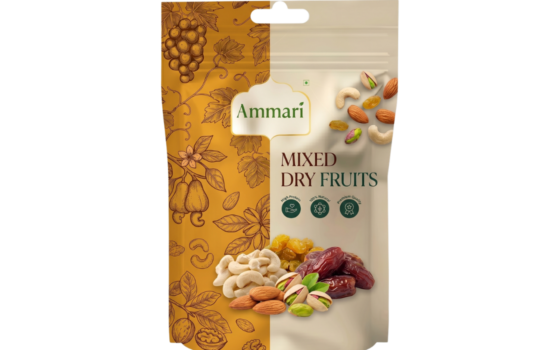
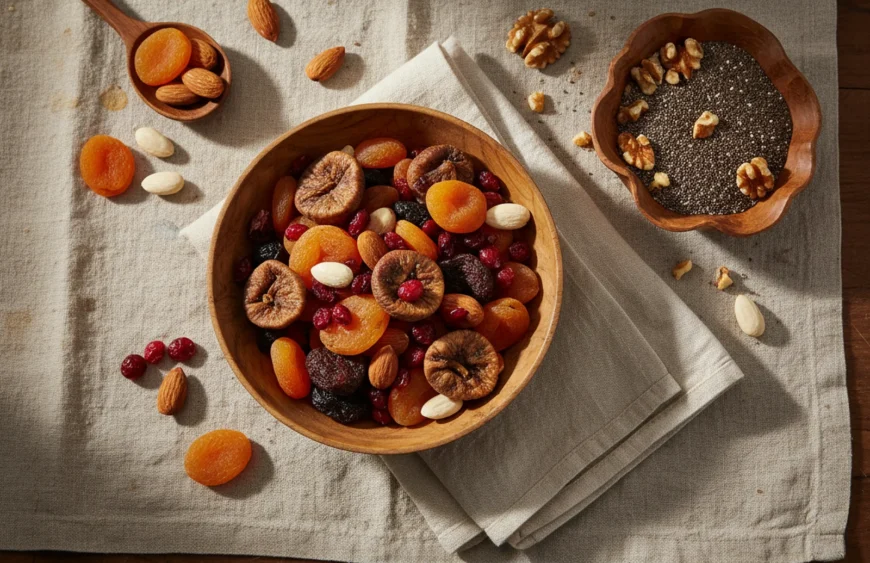
Best dry fruits for diabetics are the nuts and seeds with a glycemic index under 30 and at least 3 g of fibre per serving: pistachios (GI 28), almonds (GI 0 for the kernel), walnuts, cashews, hazelnuts, brazil nuts, and pumpkin or sunflower seeds. A 30 g handful of mixed nuts adds roughly 5 g of carbs and 3 g of fibre, well within ICMR-NIN’s snack budget for type 2 diabetics. Dates and anjeer are acceptable in two-piece portions paired with a nut. Raisins need real caution. Ammari Foods sources California and Mamra almonds, Iranian pistachios, and Kashmiri walnuts in single-origin batches. For daily portion limits, read our dates for diabetics guide. This article is general information, not a personalised prescription. Confirm portions with your endocrinologist.
Are dry fruits safe for diabetics? The short answer
For most people with well-controlled type 2 diabetes, a 30 g handful of mixed nuts and seeds daily fits inside a diabetic meal plan. The category divides cleanly into two groups. True nuts and seeds carry almost no fast carbohydrate, plenty of fibre, and a glycemic index near zero. Dried sweet fruits like dates, figs, and raisins concentrate the sugar of the fresh fruit into a small piece, so portion is the only lever.
This is general guidance, not a personalised prescription. Tolerance changes between a newly diagnosed type 2 patient on metformin and a type 1 patient on insulin. Before adding any dry fruit to your daily routine, speak with your endocrinologist or registered dietitian and confirm the portion against your CGM or fasting profile. Readers with chronic kidney disease should also flag potassium-heavy choices like dates and brazil nuts for separate review.
How to read the glycemic index for dry fruits
The glycemic index (GI) ranks a food by how quickly 50 g of its carbohydrate raises blood glucose against pure glucose at 100. Under 55 is classed as low, 56 to 69 medium, and 70 and above high.
Two notes apply to nuts. First, the standard 50 g carbohydrate dose is unreachable for most nuts in a normal serving. Fifty grams of carbs from almonds means 250 g of almonds at once. Most nuts are effectively GI-neutral at real portions. Second, the number you actually feel is the glycemic load (GL), which adjusts for portion. A 30 g handful of almonds gives a GL near 1. Two Medjool dates give a GL near 14. Six dates push it above 40, where readers run into trouble.
Best dry fruits for diabetics – here is what actually matters when you choose. For dry fruits, pick by carbohydrate per piece, not by GI alone. The list below ranks on that combined view.
The 10 best dry fruits for diabetics, ranked
The ranking below uses three filters in order: glycemic index, carbohydrate per 30 g serving, and the strength of published evidence in diabetes-specific studies.
1. Pistachios (GI 28, the strongest evidence base).
Pistachios sit at GI 28, the lowest of any common dry fruit. A 30 g serving (about 49 kernels) carries 5 g of carbs, 3 g of fibre, and 6 g of plant protein. Eaten with a high-GI meal, pistachios blunt the post-meal glucose rise. They also help with the related problem of weight: see our pistachios for weight loss review. Eat them in-shell to slow the pace. For daily limits read how many pistachios per day. Order our premium Iranian pistachios.
2. Almonds (badam, the everyday default).
Almonds add 6 g of protein, 4 g of fibre, and around 15 g of healthy fat per 30 g handful, with carbs under 6 g. The published GI of whole raw almonds rounds to near zero because there is so little available carbohydrate. Soaked or roasted, the profile is similar. Magnesium content supports insulin sensitivity over weeks. Cap intake at 25 to 30 kernels daily; the full math is in our how many almonds per day guide. Order our premium California almonds or trade up to Mamra for the same diabetic profile.
3. Walnuts (akhrot, best omega-3 source).
Walnuts are the only common nut rich in plant-based omega-3 ALA. A 30 g serving (about 14 halves) delivers 2.5 g of ALA, 4 g of carbs, and 2 g of fibre. The ALA matters for diabetics because of the cardiovascular complications that track with the disease. Daily limits are in our how many walnuts per day breakdown. Order our Kashmiri walnuts.
4. Cashews (kaju, the borderline case).
Cashews have a GI of around 25, low by category standards, but they carry more carbs per 30 g (9 g) than almonds or pistachios. The fat profile is mostly monounsaturated, helpful for insulin sensitivity. Diabetics can eat 15 to 20 cashews daily, but the higher carb load means tracking is wise. Avoid salted or honey-roasted versions; the sodium and added sugar reverse the benefit.
5. Hazelnuts (filberts, low-carb plus vitamin E).
A 30 g serving of hazelnuts adds 5 g of carbs, 3 g of fibre, and a high dose of vitamin E. Less common in Indian kitchens, but well suited to diabetic snacking. Pair with two Medjool date halves for a controlled sweet bite.
6. Brazil nuts (selenium for thyroid co-management).
Two brazil nuts per day cover an adult’s daily selenium need. Diabetics with co-existing thyroid issues benefit most. Cap at two pieces because selenium toxicity is real above 400 mcg daily.
7. Pumpkin and sunflower seeds (the magnesium pair).
A 30 g mix of pumpkin and sunflower seeds gives roughly 150 mg of magnesium, around 40 percent of the daily target. Magnesium deficiency tracks with type 2 diabetes, and seeds are the densest plant source. Carbs stay under 6 g per serving. Use them on yogurt or salad rather than eaten loose.
8. Dates, in two-piece portions (moderate, not banned).
Dates carry a GI of 42 to 55 across varieties, below white bread (75) and watermelon (76). Two medium dates with five almonds is a controlled diabetic snack. Ajwa has the lowest tested GI in the family (42 to 47) and the strongest clinical record. Full guidance is in our diabetic dates portion article.
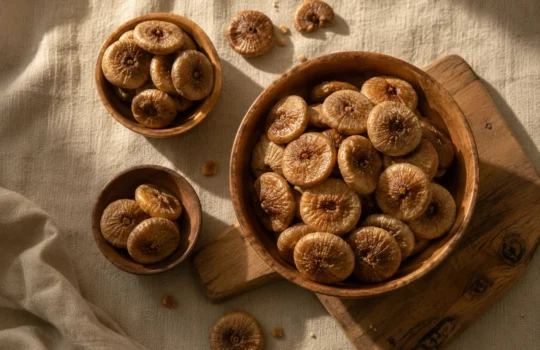
9. Anjeer (dried figs, fibre-led).
Dried figs carry around 8 g of fibre per 100 g, the highest in the category. The trade-off is sugar density: one large fig holds 8 g of carbs. Two figs daily with a paneer cube works for most readers. Avoid syrup-glazed figs sold loose at sweet shops.
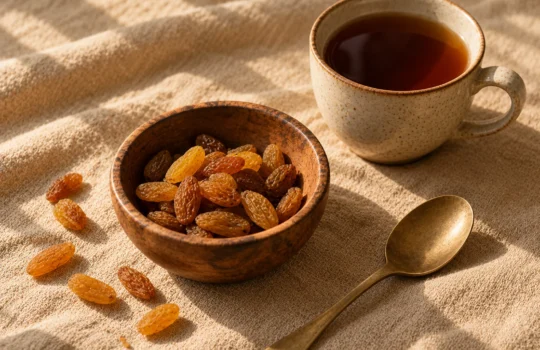
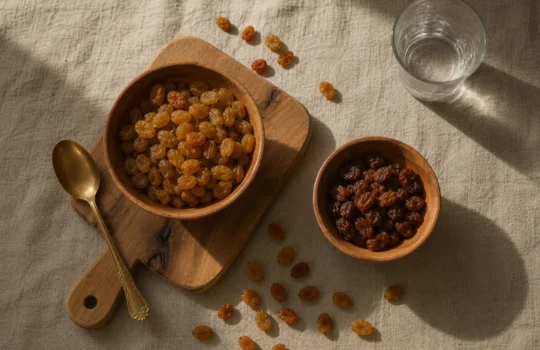
10. Raisins (kishmish, the cautious choice).
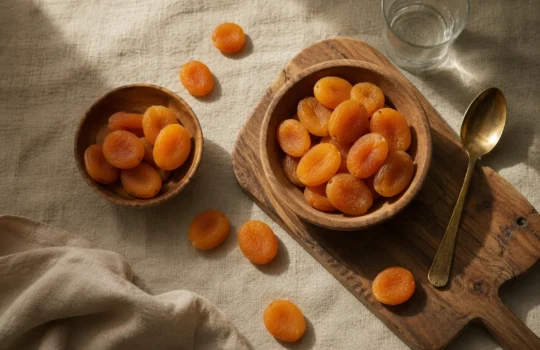
Raisins close the top 10 with the strictest portion rule of any item on this list. The GI sits at 64, medium-high. A small 15 g portion (about a tablespoon) is the upper bound for most diabetics. The temptation is to pour them into porridge or curd; the fix is to weigh out the portion before pouring. Always pair with a fat or protein source. Readers who struggle to portion-control raisins should swap them for pistachios.
3 dry fruits to limit (or skip)
Some category items move from “moderation” to “skip” because the carb math no longer works.
Raisins eaten in quantity. A 100 g pack of raisins holds 75 g of sugar, the same as a 200 ml cola. The slow-release advantage disappears once the portion drifts above 15 g daily. If you cannot stop at a tablespoon, do not stock raisins.
Dried mango, dried pineapple, and dried papaya. These are commercially sweetened almost without exception. Even unsweetened versions carry 50 to 60 g of sugar per 100 g. They behave like candy. Replace with fresh seasonal fruit or skip.
Candied dry fruits, mixed-fruit mithai, and chocolate-coated nuts. Glucose syrup, jaggery wash, or chocolate shells turn a low-GI base into a high-GI confection. Treat these as a sweet, not a snack.
What to pair with for flat blood sugar
Pairing is the highest-impact habit a diabetic reader can adopt. It slows gastric emptying and flattens the post-meal glucose curve. The strongest pairings, in order:
- Paneer cube (50 g). Slow protein, almost zero carbs. A paneer-and-almond bowl is the safest diabetic breakfast addition.
- Full-fat curd or yogurt (100 g). Adds protein and fat; the live cultures support insulin sensitivity in longer studies.
- Boiled egg (one whole). Useful before a date or fig.
- Cucumber and seed mix (one bowl). Fibre-led, the safest snacking template after sundown.
- Plain water. Slows gastric emptying mildly; never a substitute for a real pairing.
A practical Indian template: a 30 g mixed-nut handful with a cup of unsweetened curd, mid-morning. Repeat at 4 pm if you are managing late-day hunger. Anyone with gestational diabetes should add clinician oversight before applying these rules.
Sourcing transparency
- Ingredient: Pistachios, almonds, walnuts, dates, anjeer, raisins, seeds
- Origin (pistachios): Kerman Province, Iran
- Origin (almonds): California Central Valley and Mamra varieties from Iran and Afghanistan
- Origin (walnuts): Kashmir Valley, India
- Note: Single-origin batches, no glucose syrup or sweetener coating, vacuum-packed within 24 hours of dispatch
Each Ammari Foods batch is sugar-tested before pack. Free delivery on orders over ₹999.
References & further reading
For independent reference points, the PubMed – glycemic indices of dates is the standardised dataset we cross-check composition against. Clinical work like the NIN-Hyderabad Dietary Guidelines for Indians helps separate marketing claims from evidence.
Frequently Asked Questions
Which dry fruit has the lowest glycemic index?
Pistachios carry the lowest tested glycemic index of any common dry fruit, at 28[1]. Almonds and walnuts effectively round to zero because their per-serving carbohydrate is too low to register a meaningful score. Cashews come next at 25, then hazelnuts. Among the sweet dry fruits, Ajwa dates are lowest at 42 to 47. Always confirm the portion that suits your fasting profile with your endocrinologist before changing your daily routine.
How much dry fruit can a diabetic eat per day?
A 30 g handful of mixed nuts is the safe daily upper limit for most type 2 diabetics, aligned with ICMR-NIN snack guidance[2]. That is about 25 almonds, 15 cashews, 14 walnut halves, or 49 pistachios in shell. Sweet dry fruits should be capped at two pieces of dates or anjeer, paired with a nut. Skip dried mango and candied items. Diabetics on insulin or with HbA1c above 7.5 percent should start at half these portions.
Can diabetics eat dates and raisins together?
Yes, in controlled portions. Two medium dates and one tablespoon of raisins together carry around 35 g of carbs, the upper edge of a single diabetic snack. Pair the combination with five almonds or a paneer cube to flatten the glucose curve. Eat after a savoury meal, never on an empty stomach. Skip the combination entirely on days when fasting glucose reads above 130 mg/dL. Our diabetic dates guide covers the full pairing template.
Are roasted nuts as good as raw nuts for diabetics?
For diabetics, dry-roasted unsalted nuts are nutritionally close to raw nuts, with a tiny reduction in vitamin E. Both work in a diabetic plan. The trouble starts with commercial roasted packets that add salt, sugar, or honey glaze. Read the label: the only acceptable ingredients are the nut itself. Soaked nuts, popular in Indian kitchens, behave the same as raw in terms of carbohydrate. This guidance is general; check with your clinician for sodium-restricted diets.