Best Dry Fruits For Protein: At a glance
Last updated: 19 May 2026
High protein dry fruits are nuts and seeds with at least 15g protein per 100g, useful for vegetarian protein-stacking, gym recovery, and middle-aged sarcopenia prevention. The standout six: peanuts (26g), pumpkin seeds (24g), almonds (21g), pistachios (20g), cashews (18g), and walnuts (15g). A 30g daily handful delivers 5 to 8g protein, comparable to one egg.
Per ICMR-NIN dietary guidelines, adult Indians need 0.83g protein per kg body weight per day, which translates to roughly 50–70g daily for most adults. Dry fruits can deliver 15–25% of that alongside fibre and healthy fats. The Indian dry fruit market crossed ₹40,000 crore in 2024, with the fitness-snacking sub-segment growing fastest.
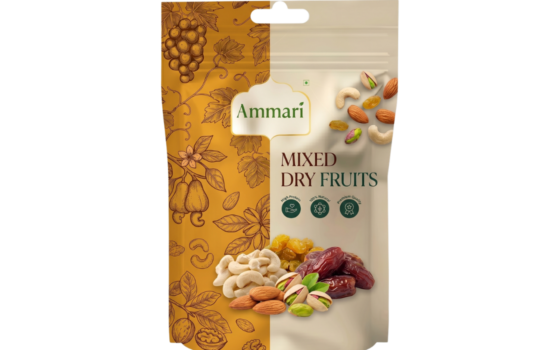
Ammari Foods sources California and Mamra almonds, Iranian pistachios, and Kashmiri walnuts direct from origin and packs at our Jaipur facility. See our how many almonds per day note for portion guidance.
Why dry fruits matter for protein intake
Plant protein from nuts and seeds has two specific advantages over animal protein for daily nutrition. First, the amino-acid profile: while no single nut is a complete protein, mixed nut consumption across the day delivers all nine essential amino acids without the saturated fat load of red meat. Second, the satiety mechanism: the protein-fibre-fat combination in nuts triggers longer satiety signalling than equivalent protein from lean chicken or whey isolate, useful for weight-management goals.
The structural limit: dry fruits are calorie-dense. A 30g serving delivers 150–200 kcal alongside its 5–8g protein. For people optimising purely for protein-per-calorie, paneer, eggs, lentils, and chicken still win. But for a daily snacking habit that contributes protein without disrupting other goals, dry fruits are unmatched.
8 high protein dry fruits ranked by protein per 30g
Best dry fruits for protein – here is what actually matters when you choose. A 30g serving is the practical daily handful most people consume. The ranking below uses that fixed reference for fair comparison.
1. Peanuts (mungphali), 7.8g protein per 30g
Technically a legume, classed as a dry fruit in Indian retail. The single highest plant-protein-per-rupee option at ₹120–200/kg. Choose raw or dry-roasted unsalted. Watch for aflatoxin (a mould toxin); buy from sealed-packaging brands with traceable origin (Gujarat or Andhra Pradesh).
2. Pumpkin seeds (kaddu ke beej), 7.2g protein per 30g
The protein density champion at 24g per 100g, plus zinc, magnesium, and iron. Shelled, raw or dry-roasted unsalted. Best for breakfast bowls, salads, and post-workout. Around 560 kcal per 100g. Surprisingly affordable at ₹450–800/kg.
3. Almonds (California or Mamra), 6.3g protein per 30g
The default high-protein nut for daily Indian snacking. Soaking improves digestibility and reduces the natural antinutrient (phytic acid) content. Vitamin E, calcium, magnesium alongside the protein. See our soaked vs raw almonds and how many almonds per day breakdowns.
4. Pistachios (Akbari or Kerman), 6.0g protein per 30g
Highest essential-amino-acid score among common nuts. The complete-protein-adjacent nut, particularly strong on lysine. Around 560 kcal per 100g, fibre 10g, with potassium, vitamin B6, and antioxidants. See our how many pistachios per day note.
5. Cashews (W320 or W180), 5.4g protein per 30g
Slightly lower protein than almonds but with the most pleasant snacking texture. Iron, magnesium, copper make this strong for vegetarian iron-intake. Pair with vitamin-C foods (orange, amla, lemon) for better iron absorption.
6. Walnuts (Kashmiri Akhrot), 4.5g protein per 30g
Lower protein than the top five, but the only nut delivering substantial omega-3 alpha-linolenic acid (around 2.5g per 30g). Best paired with the higher-protein nuts rather than substituted. See our walnuts brain health note.
7. Chia seeds, 5.0g protein per 30g
Technically a seed, sold in the dry fruit category. Becomes gel-like when soaked. Omega-3, fibre, calcium. Best for breakfast bowls, smoothies, and pudding. Around 485 kcal per 100g.
8. Flax seeds (alsi), 5.5g protein per 30g
Highest plant-based omega-3 and lignans of any seed. Best ground (whole flax passes through digestion intact). Mix into rotis, smoothies, or breakfast oats. Around 534 kcal per 100g.
Protein per 30g serving comparison
| Dry fruit | Protein per 30g | Calories per 30g | Key co-nutrient | |-|-|-|-| | Peanuts | 7.8 g | 168 kcal | Niacin, folate | | Pumpkin seeds | 7.2 g | 168 kcal | Zinc, magnesium | | Almonds | 6.3 g | 174 kcal | Vitamin E, calcium | | Pistachios | 6.0 g | 168 kcal | Lysine, vitamin B6 | | Flax seeds | 5.5 g | 160 kcal | Omega-3, lignans | | Cashews | 5.4 g | 165 kcal | Iron, magnesium | | Chia seeds | 5.0 g | 146 kcal | Omega-3, fibre | | Walnuts | 4.5 g | 196 kcal | Omega-3 (ALA) | When evaluating best dry fruits for protein, the key is verification not branding.
Daily protein stacking with dry fruits
Building a daily plant-protein habit around dry fruits works best with three to four varieties combined. A practical morning-to-evening pattern:
- Morning (post-yoga or pre-workout): 15g almonds + 10g walnuts soaked overnight. About 5g protein, 8g healthy fats, slow-release energy.
- Mid-morning: 1 tbsp pumpkin seeds + 1 tsp chia seeds in fruit yogurt or porridge. About 6g protein.
- Afternoon snack: 30g pistachios with herbal tea. About 6g protein, satisfies the 3pm hunger dip.
- Post-workout (gym days): 30g peanuts + 15g cashews. About 10g protein, fast carb-protein mix for recovery.
That stacking pattern adds roughly 25–30g protein per day from dry fruits alone, sitting alongside dal, paneer, eggs, or chicken for the protein backbone. For pure-vegetarian or vegan eaters, this dry-fruit stack covers 40–50% of daily protein needs.
What to avoid when optimising for protein
Sugar-coated and chocolate-covered versions. A 100g pack of chocolate-coated almonds can drop the effective protein density to under 10g per 100g, with added sugar replacing the protein share. Stick to raw, dry-roasted unsalted, or soaked formats.
Salted-roasted mixed tins. The sodium load (1.5–3g per 100g) cancels out fitness benefits. Buy plain and add seasoning at home.
Single-variety mono-stacking. Eating only almonds limits the amino-acid profile. Always mix at least 2 to 3 varieties for a more complete protein.
Sourcing transparency
- Almonds (California): Central Valley, USA; Aug to Oct harvest.
- Almonds (Mamra): Aleppo Province, Iran; small-batch cultivation.
- Pistachios: Kerman Province, Iran; Akbari and Kerman varieties.
- Walnuts: Sopore belt, Kashmir.
- Peanuts: Gujarat and Andhra Pradesh, India.
Ammari Foods packs vacuum-sealed pouches at our Jaipur facility within 24 hours of dispatch. For broader varietal portion guidance, see our how many walnuts per day note.
References & further reading
For independent reference points, the USDA FoodData Central – nutrient database is the standardised dataset we cross-check composition against. Clinical work like the NIN-Hyderabad Dietary Guidelines for Indians helps separate marketing claims from evidence.
Frequently Asked Questions
Which dry fruit has the highest protein content?
The single highest-protein dry fruit by weight is peanuts at 26g per 100g, followed closely by pumpkin seeds at 24g per 100g. Peanuts are technically legumes but are universally sold in the dry fruit category in India. For tree-nut-only dietary needs (peanut allergy), almonds (21g) and pistachios (20g) lead. Combining 2 to 3 high-protein varieties daily, rather than relying on a single source, delivers a more complete amino-acid profile.
Can I replace whey protein with dry fruits for post-workout recovery?
Not entirely, but you can reduce dependence significantly. A 30g whey scoop delivers 24g protein in 120 kcal, while a 30g peanut-and-cashew mix delivers 6–7g protein in 168 kcal. The calorie density makes dry fruits a less efficient post-workout protein source for serious gym-goers. Use dry fruits to cover daily baseline protein (60–70g target) and supplement with whey, dal, paneer, or eggs around training. The fibre and healthy fats in dry fruits improve overall recovery beyond what whey alone delivers.
How much dry fruit should I eat daily for protein gains?
A practical daily target is 60 to 90g across 3 to 4 varieties, delivering roughly 15 to 22g protein. Beyond 100g per day, the calorie load (often 600+ kcal) starts crowding out other foods. For active gym-goers wanting to push protein higher, increase peanuts and pumpkin seeds specifically (highest protein-per-calorie ratio) and keep walnuts and cashews to 20g each per day to manage total fat intake.
Are sprouted or soaked dry fruits better for protein absorption?
Slightly, yes. Soaking and sprouting reduces phytic acid, an antinutrient that binds minerals and reduces protein bioavailability. The protein content itself doesn’t change, but the protein utilisation improves by an estimated 10–15%. Soak almonds and walnuts overnight (peel almonds after soaking for best digestion). Pumpkin seeds and pistachios benefit less from soaking; eat them dry-roasted unsalted. Chia and flax should be ground (not just soaked) for best absorption.